What is Myopia?
Myopia, also known as nearsightedness, is a common eye condition. People with myopia can see nearby objects clearly, but distant objects look blurry. Because myopia affects many people worldwide, it is important to understand its symptoms, causes, and treatment options. According to the World Health Organization, myopia is increasing, especially in children and young adults. Early detection and proper care can help protect your eye health.
Common Symptoms of Myopia
Recognizing myopia symptoms early can help you seek timely care. Often, symptoms appear gradually. However, they may worsen over time. Look for these signs:
If you notice these symptoms, it is wise to get an eye exam soon. Early action can prevent further vision problems.
Causes and Risk Factors
Myopia happens when the eyeball is too long or the cornea is too curved. As a result, light focuses in front of the retina instead of on it. Several factors can increase your risk of developing myopia. For example, genetics play a big role. If your parents have myopia, you are more likely to get it too. In addition, spending long hours on close-up tasks, like reading or using screens, can raise your risk. Poor lighting and not spending enough time outdoors may also contribute.
Understanding these risk factors can help you take steps to protect your vision.
How Myopia is Diagnosed
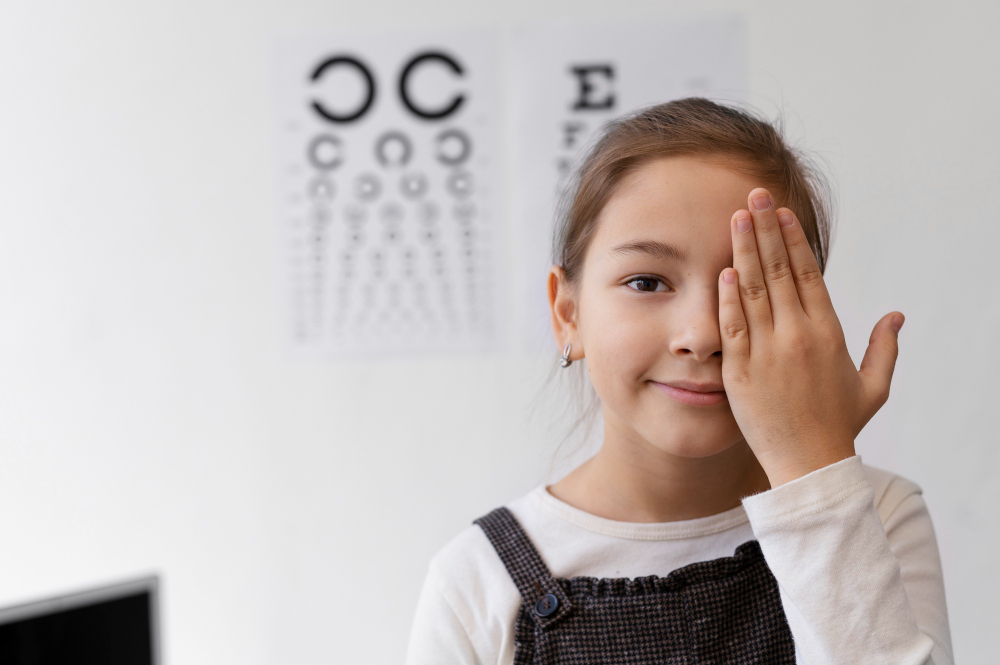
Eye doctors use simple tests to diagnose myopia. First, they will ask about your symptoms and family history. Next, they perform a vision test. During this test, you read letters on a chart from a distance. If you have trouble seeing the letters, the doctor may use special lenses to check your prescription. Sometimes, they use eye drops to relax your eye muscles. This helps them get accurate results. Regular eye exams are important, especially for children and teens. Early diagnosis can lead to better myopia management.
Treatment Options for Myopia
There are several ways to treat myopia and improve your vision. Your eye doctor will suggest the best option based on your needs. Common myopia treatments include:
Although treatment can correct vision, regular follow-up is important. This helps monitor changes and adjust your prescription if needed.
Lifestyle Tips and Prevention
While you cannot change your genes, you can take steps to protect your eyes. For instance, spending more time outdoors may help lower the risk of myopia in children. In addition, taking breaks from screens and reading can reduce eye strain. Try the “20-20-20 rule”: every 20 minutes, look at something 20 feet away for 20 seconds. Good lighting while reading or working is also helpful. Here are some tips:
By following these tips, you can support your eye health and help prevent nearsightedness from worsening.
When to See an Eye Specialist
It is important to see an eye specialist if you notice any changes in your vision. For example, if you have trouble seeing distant objects, frequent headaches, or eye strain, schedule an eye exam. Children should have regular eye checks, especially if they struggle at school or complain about vision. Early visits can help catch myopia early and prevent complications. Remember, only a trained eye doctor can diagnose and treat myopia properly.
In summary, myopia is a common but manageable eye condition. Early detection, proper treatment, and healthy habits can protect your vision. Consult an eye specialist at Dr Kamaal’s Eye Hospital for personalized advice on managing myopia.