
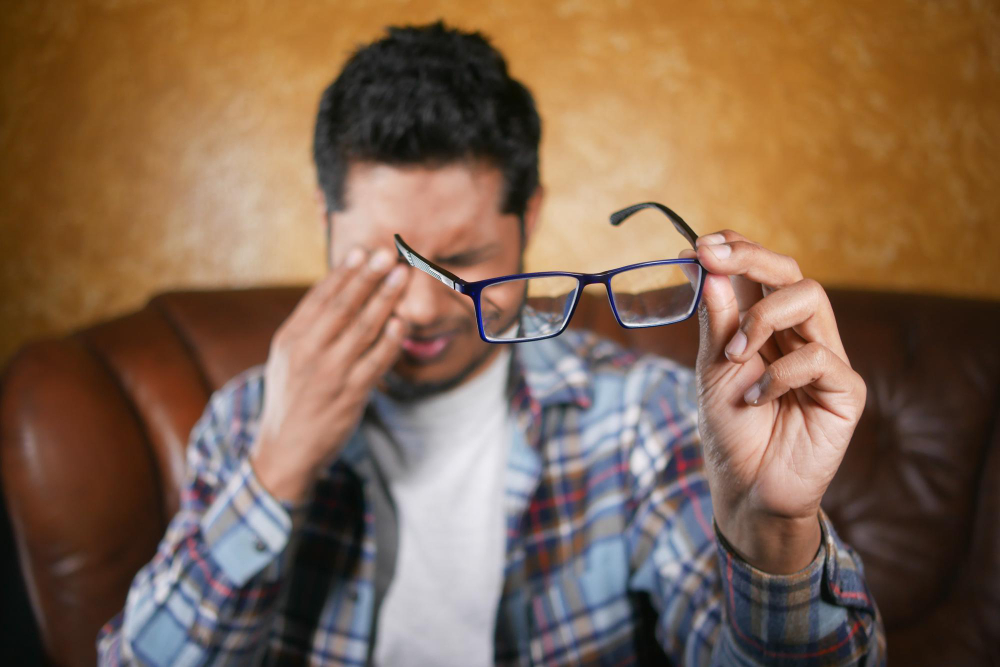
What Is Astigmatism?
Astigmatism is a common eye condition that causes blurred vision. It happens when the front surface of the eye, called the cornea, or the lens inside the eye, has an uneven shape. Because of this, light does not focus evenly on the retina. As a result, you may notice that your vision is blurry or distorted. Many people have some degree of astigmatism. However, not everyone needs treatment. According to the American Academy of Ophthalmology, astigmatism often occurs with other vision problems, such as nearsightedness or farsightedness.
Common Symptoms of Astigmatism
Astigmatism can affect people of all ages. Sometimes, symptoms are mild and easy to miss. On the other hand, some people notice changes right away. Common astigmatism symptoms include:
For example, you might find it hard to read small print or see road signs clearly. If you notice these symptoms, it is important to get your eyes checked.
Causes of Astigmatism
Astigmatism happens when the cornea or lens is shaped more like a football than a basketball. Because of this shape, light bends unevenly as it enters the eye. There are several causes of astigmatism:
Most often, astigmatism is present from birth. However, it can also develop later in life.
How Astigmatism Is Diagnosed
Eye doctors use simple tests to check for astigmatism. First, they may ask about your vision and any symptoms. Then, they use tools to measure how your eyes focus light. Common tests include:
Because these tests are quick and painless, you can get results during a regular eye exam. Early diagnosis helps prevent eye strain and keeps your vision clear.
Treatment Options for Astigmatism
There are several ways to correct astigmatism. The right treatment depends on your age, lifestyle, and how much your vision is affected. Common astigmatism treatments include:
For children, glasses are often the first choice. Adults may choose contacts or surgery for more convenience. However, not everyone is a good candidate for surgery. Your eye doctor will help you decide what is best for you.
Lifestyle Tips and Prevention
While you cannot always prevent astigmatism, you can protect your eye health. Here are some helpful tips:
Although these steps may not stop astigmatism, they support good vision and overall eye health.
When to See an Eye Specialist
If you notice blurred vision, headaches, or trouble seeing at night, it is time to see an eye specialist. Early treatment can prevent further problems. For children, regular eye checks are important for learning and development. Adults should also have their eyes checked every one to two years. If you wear glasses or contacts, follow your doctor’s advice for care and follow-up visits.
In summary, astigmatism is a common cause of blurred vision. With the right care, you can enjoy clear sight and healthy eyes. If you have concerns about your vision, consult an eye specialist Dr. Sufiyan Ahmad for personalized advice.