
What is Keratitis?
Keratitis is an infection or inflammation of the cornea, the clear front part of your eye. The cornea helps focus light so you can see clearly. When it becomes infected, vision can become blurry or painful. Keratitis can affect anyone, but it is more common in people who wear contact lenses. Early treatment is important because, if left untreated, keratitis can lead to serious vision problems.
Causes of Keratitis
There are several reasons why someone might develop keratitis. For example, germs like bacteria, viruses, fungi, or parasites can infect the cornea. Sometimes, an injury to the eye or wearing dirty contact lenses can also cause keratitis. In addition, dry eyes or a weak immune system may increase your risk.
Common Symptoms of Corneal Infection
Recognizing corneal infection symptoms early can help prevent complications. Although symptoms may vary, most people notice changes in their vision or discomfort. For instance, you might feel like something is in your eye. If you notice any of these signs, it is important to seek help quickly.
Diagnosis of Keratitis
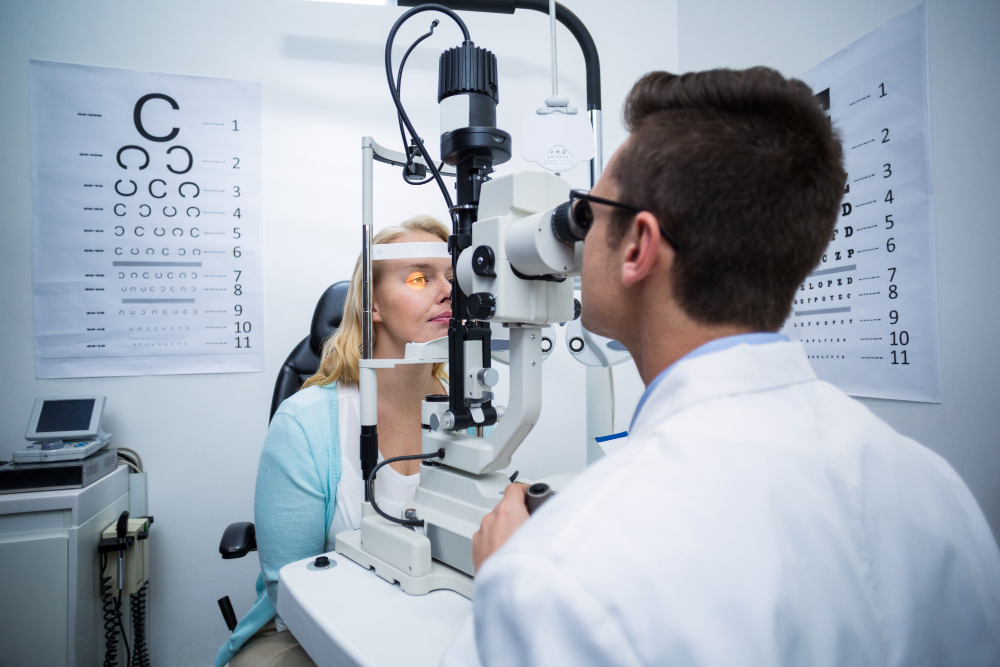
If you have symptoms of keratitis, an eye doctor will examine your eye closely. First, they may use a special light and microscope to look at your cornea. Sometimes, they will use eye drops to help see the problem better. In some cases, the doctor may take a small sample from your eye to find out what type of germ is causing the infection. This helps them choose the best treatment for you.
Treatment Options for Keratitis
Treatment for keratitis depends on the cause. For example, bacterial infections are usually treated with antibiotic eye drops. On the other hand, viral infections may need antiviral medicine. Fungal and parasitic infections require special medications. In some cases, you may need to stop wearing contact lenses until your eye heals. Early treatment can prevent lasting damage to your vision.
Prevention Tips and Lifestyle Guidance
Although keratitis can be serious, you can lower your risk with good habits. For instance, always wash your hands before touching your eyes or contact lenses. In addition, follow your eye doctor’s advice on lens care. If you swim or shower, remove your contact lenses first. These steps can help keep your eyes healthy.
When to See an Eye Specialist
If you notice any symptoms of keratitis, do not wait. For example, if your eye is red, painful, or your vision changes, see an eye specialist right away. Early care can prevent serious problems. Even if symptoms seem mild, it is better to be safe. Your eye doctor can find the cause and start the right treatment quickly.
In summary, keratitis is a serious eye condition that needs prompt attention. If you have any symptoms or concerns, consult your eye specialist for personalized advice and care.
Experiencing eye pain, redness, or vision changes? Consult Dr Kamaal’s Eye Hospital for expert eye care today.