
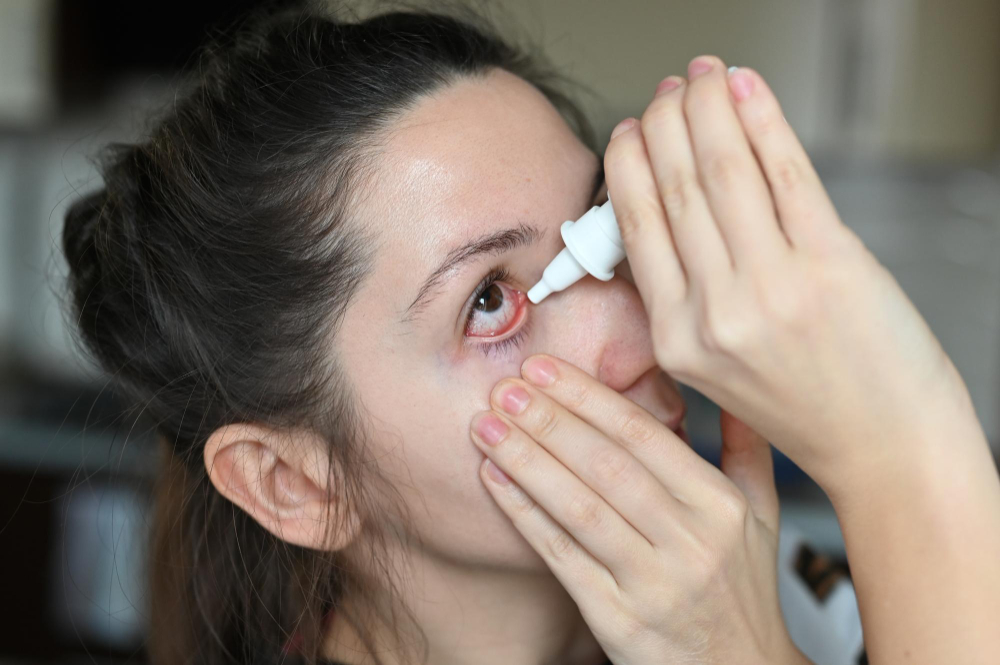
What is Dry Eye?
Dry eye is a common eye problem. It happens when your eyes do not make enough tears or when tears dry up too quickly. Because of this, your eyes may feel uncomfortable or look red. Many people experience dry eye at some point in their lives. In fact, it can affect people of all ages. However, it is more common as you get older. Dry eye can make daily tasks, like reading or using a computer, harder. But with the right care, you can manage dry eye and protect your vision.
Common Symptoms of Dry Eye
Dry eye symptoms can vary from person to person. Still, some signs are very common. If you notice any of these, you may have dry eye:
Sometimes, symptoms get worse in dry or windy places. Also, long hours on digital devices can make dry eye symptoms more noticeable.
Causes and Risk Factors
There are many causes of dry eye. For example, your body may not make enough tears. Or, your tears may not stay on your eyes long enough. Here are some common causes and risk factors:
Because these factors can add up, it is important to know your risks. If you have more than one risk factor, you may be more likely to develop dry eye.
How Dry Eye is Diagnosed
Doctors use several methods to diagnose dry eye. First, they will ask about your symptoms and health history. Next, they may check your eyes with a special light. Sometimes, they use simple tests to measure your tears. For example, a small strip of paper may be placed under your lower eyelid to see how much moisture your eyes produce. In some cases, doctors use colored eye drops to see how quickly your tears evaporate. These tests are quick and do not hurt. Because early diagnosis helps, you should see an eye specialist if you notice dry eye symptoms.
Effective Treatment Options
There are many ways to treat dry eye. The best treatment depends on the cause and how severe your symptoms are. Some common dry eye treatments include:
For some people, a mix of treatments works best. Because dry eye can be ongoing, regular follow-up with your eye doctor is important.
Lifestyle Tips and Prevention
Although you may not be able to prevent all cases of dry eye, some simple steps can help. Try these tips to reduce your risk and ease symptoms:
Because small changes can make a big difference, try to build these habits into your daily routine.
When to See an Eye Specialist
Sometimes, dry eye symptoms can be managed at home. However, you should see an eye specialist if:
Because untreated dry eye can lead to more serious problems, early care is important. If you experience persistent dry eye symptoms, consult an eye specialist at Dr Kamaal’s Eye Hospital for personalised care.